How to Induce Autophagy
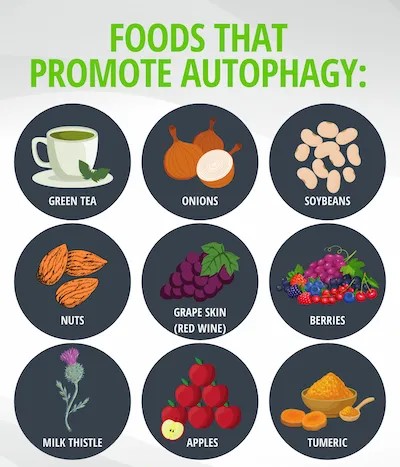
In order to reap its numerous health benefits, you can induce autophagy in the body through several methods:
Caloric Restriction
Reducing calorie intake has been shown to enhance autophagy. However, it’s important to maintain a balanced diet during this practice and avoid malnutrition from missed nutrients.
Water Fasting
The quickest way to trigger autophagy is to stop all calorie intake from food and beverages. This switches the body from สมัครสมาชิก UFABET วันนี้ รับเครดิตฟรีทุกวัน glucose metabolism to fat burning. A water fast can swiftly facilitate this transition. However, this can be an extreme approach for many and is likely not sustainable.
Time-Restricted Eating
That metabolic shift can also be achieved by intermittent fasting. This approach involves cycling between periods of feeding and fasting. An intermittent fasting plan of 16-24 hours can promote autophagy. It does this by triggering cellular stress responses.
Exercise
Exercise induces autophagy through several mechanisms. Firstly, it increases energy demands and releases hormones like adrenaline and insulin, which help signal autophagy. Secondly, regular physical activity, especially high-intensity workouts, can help induce autophagy. Aim for a mix of aerobic and strength training exercises.
Low-Carb or Ketogenic Diet
The keto diet or drastically reducing carbohydrate intake leads to lower insulin levels. Insulin is a hormone that, when elevated, can inhibit autophagy. Lower insulin encourages the activation of autophagy.
Low-carb and ketogenic diets also deplete glycogen stores. This will then shift the body to burn fat. When the body is in a state of ketosis, it breaks down fats and produces ketones as an alternative fuel source. Ketones have been shown to promote autophagy.
Get Enough (and Quality) Sleep
Quality sleep boosts cellular health and autophagy. During sleep. Especially in deep REM stages, the body undergoes various restorative processes that contribute to autophagy. Sleep helps regulate the release of hormones, including growth hormone and melatonin, both of which have been linked to autophagy. These hormones promote cellular repair and regeneration.